TMS for depression in Calgary
When depression has not improved enough, TMS may offer another option
Depression is not a failure of effort. If medication or therapy has not helped enough, non-invasive TMS may be worth exploring.
Meet privately with a psychologist. Ask questions to learn if this is a good fit for you. No obligation.
Psychologist-led care at Sano State Psychology in Calgary.
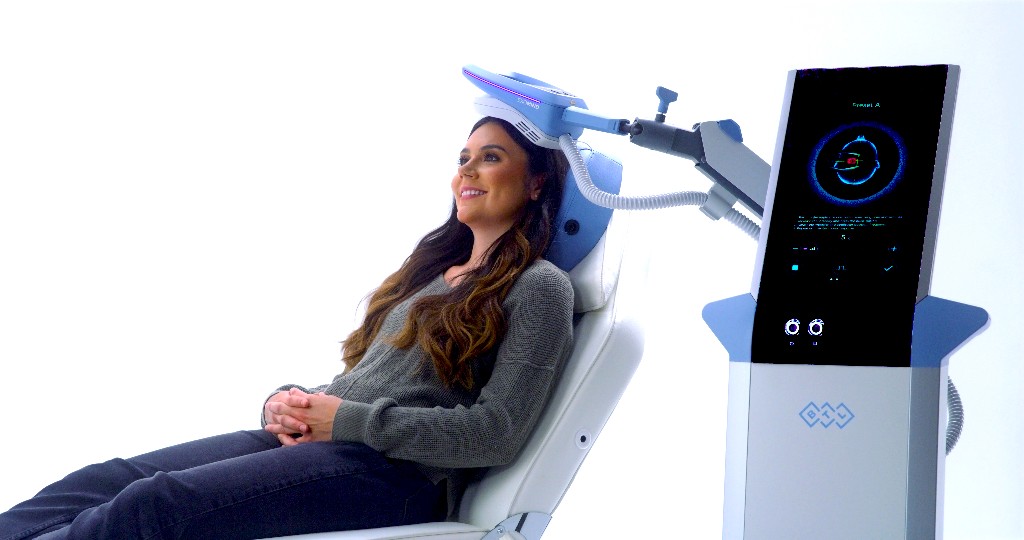
Could TMS be worth exploring?
TMS may be worth discussing when one or more of the following are true:
- Antidepressants have not helped enough
- Medication side effects limit your options
- Depression includes fatigue, brain fog, or low motivation
- Symptoms continue despite therapy
- You feel emotionally numb, disconnected, or unable to enjoy things
What happens during the free consultation?
In a private 15-minute conversation, we will discuss what you have tried, explain how our TMS program works, review practical details such as cost and scheduling, and answer your questions. There is no obligation to begin treatment.
-
Speak with a psychologist
-
Virtual or in person
-
Ask questions at your own pace
-
No pressure to proceed
What does a TMS session feel like?
- You remain awake and seated
- The device rests gently against the scalp
- You feel rhythmic tapping
- No anesthesia is required
- Typically people return to their normal activities immediately afterward
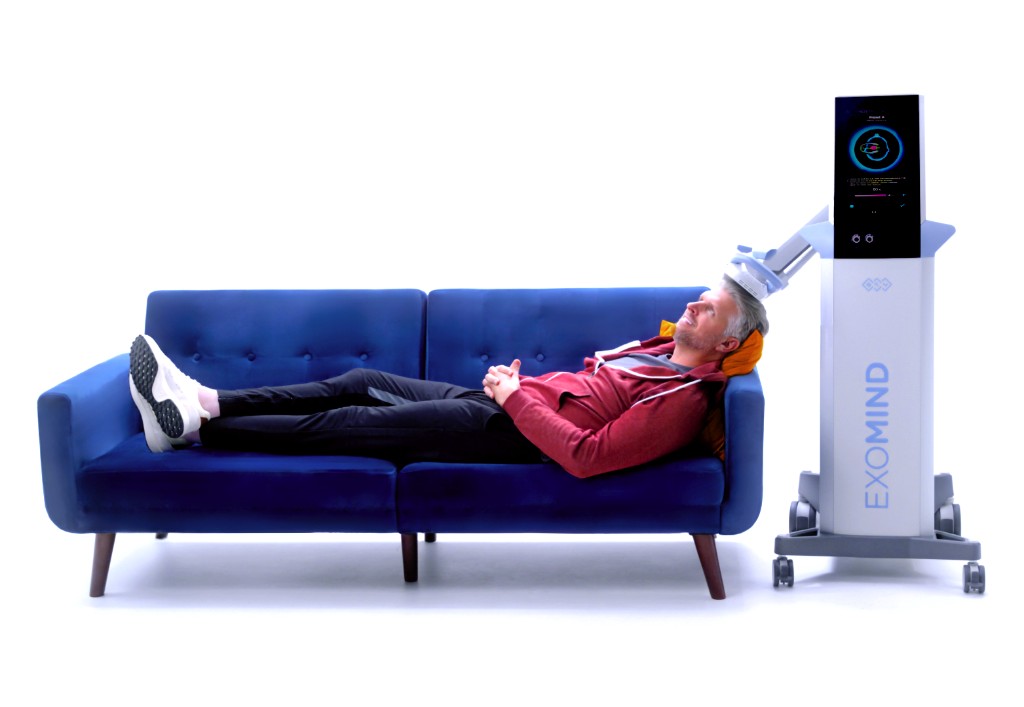
Your treatment process
TMS sessions are guided by your clinical assessment and, when appropriate, objective brain mapping—not a one-size template applied to everyone.
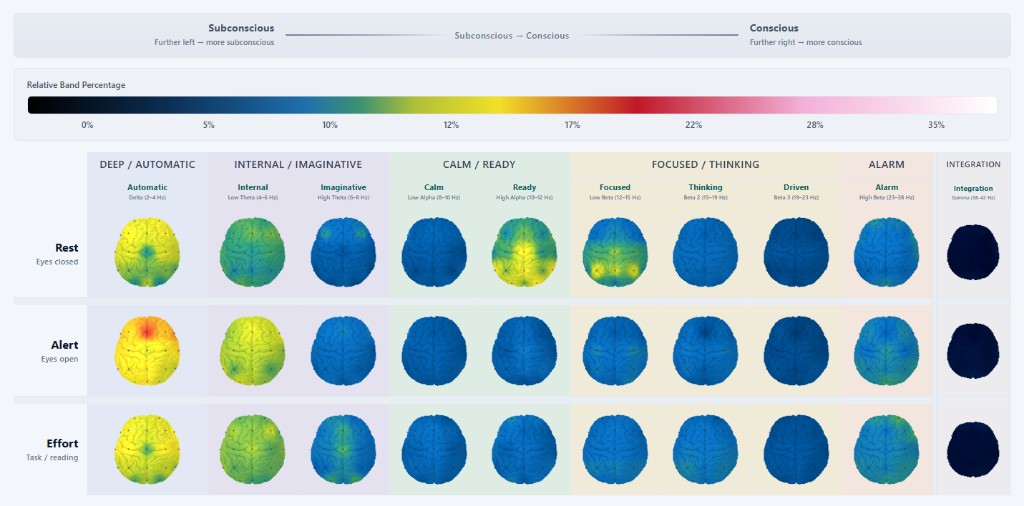
Brain mapping helps us understand how your activity is patterned before and during treatment, so stimulation parameters support professional judgment specific to you.
-
Step 1
Free consultation
Discuss your symptoms, treatment history, questions, and goals.
-
Step 2
Assessment and planning
Clinical assessment and, when appropriate, qEEG brain mapping inform your personalized recommendations.
-
Step 3
ExoMind TMS treatment
Your specialized program may include multiple TMS sessions and, when appropriate, other therapies. That plan is determined after your initial assessment.
-
Step 4
Progress review
We review your response and discuss appropriate next steps.
Depression is not a lack of willpower
Depression can affect motivation, energy, concentration, sleep, and the ability to experience enjoyment. When symptoms continue despite genuine effort, additional treatment options may be appropriate.
Speak directly with a psychologist
Your free consultation is with a Sano State psychologist, not a salesperson. We will ask about your symptoms and treatment history, answer your questions, and give you a straightforward opinion about whether TMS appears worth exploring.
What does the TMS program cost?
Our TMS programs may be billable to your insurance provider as a psychology service. Coverage varies by insurer and plan, and we recommend confirming coverage directly with your provider. A TMS program can start around $3,000. Your specialized plan may include additional sessions or complementary therapies based on your initial assessment and goals. We explain all costs before you decide whether to proceed.
Monthly payment options and financial assistance may be available.
Why choose Sano State Psychology?
- Psychologist-led consultation and treatment planning
- Individualized recommendations rather than automatic enrollment
- Assessment integrated with treatment planning
- Care through an established Calgary psychology clinic
How we personalize treatment
Clinical history, standardized questionnaires, cognitive information, and qEEG may contribute to treatment planning when clinically appropriate. These tools support professional judgment and are not a standalone diagnostic or treatment-selection system.
What people are working toward
- Feeling more like themselves again
- More stable mood
- Greater energy and motivation
- Clearer thinking and focus
- Greater ability to manage daily life
Goals vary between individuals, and treatment outcomes cannot be guaranteed.
Frequently asked questions
What is TMS?
Transcranial magnetic stimulation (TMS) uses focused magnetic pulses to influence activity in brain regions linked to mood. Repetitive TMS (rTMS) is the form commonly used for depression. At Sano State Psychology, TMS is provided under appropriate clinical oversight with psychologist-led care in Calgary.
What does treatment feel like?
You remain awake and seated while a device rests against the scalp. Most people describe a rhythmic tapping sensation. Sessions do not require anesthesia, and most describe sessions as very tolerable and can return to usual activities afterward. Sensations and tolerance vary between individuals.
How many sessions are involved?
The number of TMS sessions varies. Your specialized program may include a focused course of ExoMind TMS, additional sessions, or complementary therapies when clinically appropriate. Your psychologist will develop an individualized plan with you after your initial assessment.
What does the program cost?
We will work with you in your budget to make it affordable. Programs can start around $3,000, though your specialized plan may differ based on assessment, session count, and any additional therapies included. We explain all costs before you decide whether to proceed, and interest-free monthly payment options may be available.
Does insurance cover TMS?
At our clinic the services are delivered by a registered psychologist. As such they may qualify for reimbursement under psychology benefits. We can help you understand the program breakdown and the questions to ask your insurer before treatment.
What are the risks and side effects?
TMS is non-invasive and generally well tolerated. Common effects can include scalp discomfort or headache. Serious adverse events are uncommon but possible. We review your medical history, discuss contraindications, and explain risks before any treatment begins.
Do I need a referral?
A referral is not always required to book a consultation. If your insurer requires one for psychology services, we can clarify what documentation may be needed. Your family doctor or psychiatrist can also be part of your care team when appropriate.
What happens during the free consultation?
You meet with a registered psychologist by secure video or in person for about 15 minutes. We discuss what you have tried, explain how the TMS program works, review cost and scheduling, and answer your questions. There is no obligation to begin treatment.
Find out whether TMS may be appropriate for you
Book a free 15-minute consultation. Ask questions, understand the program, and receive a straightforward recommendation before making any commitment.